What's inside (28)
- 1Merriweather Post Pavilion
- 2Merriweather Park at Symphony Woods
- 3Lake Kittamaqundi
- 4Lake Elkhorn
- 5Robinson Nature Center
- 6Toby’s Dinner Theatre
- 7Clark’s Elioak Farm
- 8Ellicott City
- 9Patapsco Valley State Park
- 10Historic Savage Mill
- 11Patuxent Research Refuge
- 12National Capital Trolley Museum
- 13Brookside Gardens
- 14Wheaton Regional Park
- 15B&O Railroad Museum
- 16Edgar Allan Poe House and Museum
- 17National Aquarium
- 18Historic Ships in Baltimore
- 19Port Discovery Children’s Museum
- 20Maryland Science Center
- 21Federal Hill Park
- 22American Visionary Art Museum
- 23Baltimore Museum of Industry
- 24Fort McHenry National Monument and Historic Shrine
- 25The Walters Art Museum
- 26Baltimore Museum of Art
- 27The Maryland Zoo in Baltimore
- 28Cylburn Arboretum
Columbia is a planned town in Howard County, Maryland, made up of 10 villages. About 104,681 people lived here at the 2020 census, which makes it the second most populous community in the state after Baltimore.
The downtown is laid out around a lake, a wooded park and one of the country’s best-known outdoor concert stages. That location is the real advantage.
Columbia sits between Baltimore and Washington, D.C., so a short drive puts you in a river valley, a wildlife refuge or Baltimore’s Inner Harbor.
This guide starts with things to do in Columbia, MD itself: Merriweather Post Pavilion, Symphony Woods, two lakes, a nature center and a dinner theatre.
Then it moves out to Ellicott City and the Patapsco valley, the old mill at Savage and the Patuxent refuge near Laurel. A few Montgomery County stops follow to the southwest. The last group is in Baltimore, about 17 to 21 miles northeast.
Every stop outside Columbia says which town it is in, how far it is by road and in which direction. Group the Baltimore stops by neighborhood and you can see several in one day. A few places keep limited hours or close for a season.
Clark’s Elioak Farm is closed until March 20, 2027, and several Baltimore museums close on Monday or Tuesday. Check each official site before you set out.
Things to Do in Columbia, MD
1. Merriweather Post Pavilion
Merriweather Post Pavilion is the reason many people know Columbia’s name. It is an outdoor concert venue in the middle of town, with lawn and stadium seating and room for 19,319 people. The building has a story.
It opened in 1967, with a design by architect Frank Gehry working with N. David O’Malley. It is named for Marjorie Merriweather Post, and it was first meant as a summer home for the National Symphony Orchestra.
Renovations followed in 2015-2016 and 2018. Its reputation is strong. Billboard named it the second best amphitheater in the United States in 2010. For music fans, a summer show here is the classic Columbia night out. Plan around the concert calendar.
For most visitors, a visit means buying a ticket to a show. Check the official schedule for the season. Getting there is easy from much of the county. Buses including RTA 406 at the Central Library stop and the Flash BRT serve the area.
On show nights, arrive early. Allow two to four hours for a concert. Pair it with a walk in Symphony Woods or around Lake Kittamaqundi before the gates open. Bring a blanket or low chair if you have lawn tickets.
Address: 10475 Little Patuxent Parkway, Columbia, Maryland
2. Merriweather Park at Symphony Woods
Merriweather Park at Symphony Woods is Columbia’s central park. It is a 51-acre park in the middle of downtown, right beside Merriweather Post Pavilion and Toby’s Dinner Theatre. The centerpiece is the Chrysalis, an amphitheater built in 2016.
It has lawn seating for up to 10,000 people. It is worth a look even when nothing is on. When events run, the Chrysalis gets busy. It has hosted concerts, ballet, plays, Maker Faire and many community events.
Check the park’s calendar before you go, since a free or low-cost event here can be a good way to spend an evening. The park is owned by the Columbia Association and run by the Inner Arbor Trust. That makes it a community space more than a tourist site.
People use it for walks, picnics and meeting friends. Allow an hour or two. It is an easy stop on foot from the lake and the theatre. On a concert night at Merriweather, the woods are the natural place to wait before doors open.
This stop suits families and anyone who likes to see how a town uses its public spaces. Bring a blanket for lawn events. Lake Kittamaqundi is nearby, so it fits easily into a downtown day.
Address: Columbia, MD (39.20980, -76.86227)
3. Lake Kittamaqundi

Lake Kittamaqundi is the lake at the heart of downtown Columbia. It is a 27-acre lake near the Mall in Columbia and Merriweather Post Pavilion, and you can see it from US-29. The lake is as old as the town.
The Rouse Company created it in 1966 while building Columbia. The company said it named the lake after the first Indian settlement in Howard County. The word is said to mean meeting place, which fits a lake built as a town center.
A pathway around the lake was completed in 2014. It makes the lake the easiest walk downtown. The loop passes the offices of the Town Center. Plan an hour or two. Walk the path, sit by the water and look back at the town that grew around it.
This is a good choice for a slow morning, a lunch break or a pre-concert stroll. The lake suits almost anyone. Families can walk the path with a stroller. Runners use it for an easy loop.
It is also a good first stop if you want to understand how Columbia was planned, since the lake, the woods and the concert stage were all laid out together. From here it is a short walk to Symphony Woods and Merriweather.
Address: Town Center, Columbia, Maryland
4. Lake Elkhorn

Lake Elkhorn is the largest of Columbia’s lakes. It is a 37-acre lake in the Owen Brown area, southeast of downtown. The main draw is the path. A two-mile walking path circles the lake.
It was built in 1982, and it runs past a park and rows of townhouses. That makes it an easy, flat loop for walkers, runners and families with strollers. The lake also has a small dam and a park with a picnic pavilion.
On a fine day, bring lunch and sit by the water after your walk. The lake itself was built in 1974. It is named for the Elkhorn branch of the Little Patuxent River, which feeds it. Allow an hour or two.
This is a quieter stop than Lake Kittamaqundi, with more of a neighborhood feel. It suits anyone who wants to stretch their legs without driving out of town.
Go in the early morning or late afternoon in summer, when it is cooler and the light on the water is best. In spring and fall, any time of day works. Combine it with Robinson Nature Center, also in Columbia, for a day spent mostly outdoors. Pack water, since the full loop takes longer than people expect.
Address: 39.1836, -76.8409
5. Robinson Nature Center

Robinson Nature Center is a Howard County nature education center, and it is the best rainy-day stop in Columbia for families. It sits on 18 acres next to the Middle Patuxent Environmental Area.
Inside, there are exhibits and a children’s discovery room. The building also has a 50-seat planetarium and a 120-seat auditorium. Outside, trails and a natural play area let kids move between indoor and outdoor parts of the visit.
The building is interesting in its own right. It holds LEED Platinum certification. Features such as geothermal heating and solar panels help explain why. Programs are a big part of the place.
The center runs over 450 a year, including field trips, public programs and birthday parties. Check the calendar if you want a guided walk or a planetarium show. The center and grounds are open Tuesday to Sunday, 9am to 5pm, and closed on Mondays.
General admission is $5 for adults and $3 for children 3 to 17. Children under 3 get in free. Allow two to four hours. That gives time for the exhibits, a show and a walk. This stop suits families with young children best. Pair it with Lake Elkhorn for a full outdoor day.
Address: 6692 Cedar Lane, Columbia, MD 21044
6. Toby’s Dinner Theatre
Toby’s Dinner Theatre stages musicals in the round, with the audience seated on all sides of the stage. That layout puts every seat close to the action. The holiday show this season is White Christmas, running November 6, 2026 to January 10, 2027.
The 2027 season includes Grease, Crazy For You, Shrek, Come From Away and Disney’s Frozen. The youth theatre is planning Dragons Love Tacos for May 2027. A meal is part of the visit at a dinner theatre. Matinees have a lunch menu.
Check the theatre’s site for menus and what is included before you book. Parking is different during construction. Guests park in the Symphony Woods Office Center Parking Garage at 5950 Symphony Woods Road, next door.
A free shuttle runs to the theatre, and a drop-off area remains at Toby’s for anyone who needs it. Allow two to four hours for a show and meal.
Book ahead, especially for holiday performances, since White Christmas runs through the busiest weeks of the year. This stop suits couples, families with older children and groups.
The family shows in the 2027 season, such as Shrek and Frozen, are good picks with kids. Toby’s sits next to Symphony Woods, so walk the park before an afternoon show.
Address: 5900 Symphony Woods Road Columbia, MD 21044
7. Clark’s Elioak Farm

About 4 miles west, on Clarksville Pike with an Ellicott City address, Clark’s Elioak Farm is a petting farm built for young children. It is closed for the rest of 2026 and reopens on March 20, 2027, so plan your visit from spring onward.
The opening days are a good time to go. The farm runs an Egg Hunt Extravaganza with egg hunts daily from March 20 to March 29, 2027, from 10 am to 5 pm. Once open, there is plenty to do.
Children can meet the petting farm animals, ride the cow train and ponies and take a second train ride around the farm. There are wagon rides, a mining activity and a Fairy Forest, plus another themed forest area.
It hosts birthday parties and educational tours too. A few rules matter. No dogs, smoking, vaping, alcohol or drones are allowed on the farm. Leave the dog at home. Allow two to four hours.
Bring clothes and shoes that can get dirty, plus sun protection on warm days. This is one of the strongest family stops in this guide, and it is close to Columbia.
Check the farm’s site for hours after spring break and for prices, since those are posted by season. If you are visiting in winter, the farm sells season passes and gift certificates, but the grounds are closed until reopening day.
Address: 10500 Clarksville Pike, Ellicott City, MD 21042
8. Ellicott City

Ellicott City, the Howard County seat, lies about 7 miles northeast. Its historic downtown sits in the valleys of the Tiber and Patapsco rivers. The railroad history is the big draw.
The historic district includes Ellicott City Station, the oldest surviving train station in the United States. It was built in 1830 as the first terminus of the original B&O Railroad line.
A B&O Railroad bridge still crosses over Main Street, one of the best photos in town. The district is often called Historic Ellicott City or Old Ellicott City. Locals use those names to tell it apart from the newer suburbs around it.
Walking Main Street is the main activity. Allow two to four hours. Park once and walk, since the historic district is best covered on foot. Wear comfortable shoes. This stop suits history lovers, shoppers and anyone who wants a contrast to planned Columbia.
Pair it with Patapsco Valley State Park, which runs along the river nearby, for a full day. Morning visits are calmer, and weekend afternoons are busy.
Check opening times of individual shops and the station before you go, since small businesses keep their own hours. Give yourself time to stand under the railroad bridge and look up.
Address: Main Street, Historic Ellicott City
9. Patapsco Valley State Park

The biggest outdoor stop in this guide is Patapsco Valley State Park, near Ellicott City about 9 miles northeast. It runs along 32 miles of the Patapsco River and covers over 14,000 acres, making it Maryland’s largest state park.
It was also the state’s first, first formed in 1906. The park has several separate areas, so pick one before you go. The Avalon area is the best for history.
It has the Thomas Viaduct, the Old Gun Road Stone Arch Bridge, the site of the Orange Grove Flour Mill and a swinging bridge across the river. The Avalon Visitor Center reopened in April 2022. The Hollofield Area is the place for campers.
It has a 73-site campground, hiking trails and shelters built by the CCC in the 1930s, plus an overlook of the river valley. The river itself is part of the fun. People use it for canoeing, kayaking, fishing and swimming.
Check current park rules and water conditions before you get in. Plan at least half a day. Wear real hiking shoes. Bring water and a map. The Thomas Viaduct and the swinging bridge are the stops most visitors remember.
This park suits hikers, families and history lovers alike. Pair it with lunch on Main Street in Ellicott City.
Address: Patapsco Valley State Park, MD (39.29306, -76.78667)
10. Historic Savage Mill

An old cotton mill turned into shops and restaurants, Historic Savage Mill sits in Savage, about 7 miles south. It is the best rainy-day browsing stop near Columbia. The buildings carry the history.
The complex was placed on the National Register of Historic Places in 1974. Its buildings date from 1822 to 1916. The mill reopened as a collection of restaurants, specialty shops and antique dealers.
Over time it grew to fill five of the larger buildings. Antique hunters can spend a long time here, moving from room to room. Hours are easy to plan around. It is open Monday to Saturday from 10 am to 6 pm and Sunday from 11 am to 6 pm.
That makes it one of the few stops in this guide open seven days a week. Allow one to two hours, more if you shop seriously or stop for a meal. This is a good choice for couples and anyone who enjoys old buildings, art or antiques.
Children may tire of it faster than adults, so pair it with something more active. It works well with the Patuxent Research Refuge, which is a short drive further southeast toward Laurel. A morning of trails and an afternoon at the mill make a balanced day out of Columbia.
Address: 8600 Foundry Street Savage, MD 20763
11. Patuxent Research Refuge
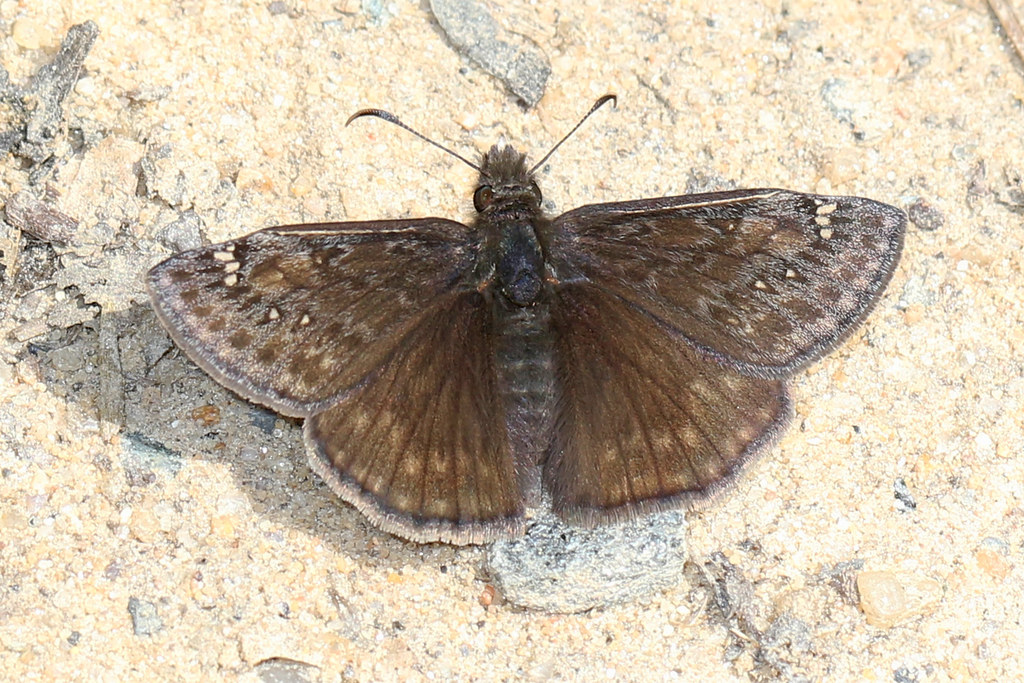
About 15 miles southeast near Laurel, Patuxent Research Refuge is a large federal wildlife refuge with a strong research history. President Franklin D. Roosevelt set it up in 1936.
It is the only National Wildlife Refuge set up to support wildlife research. The refuge has grown from 2,670 acres to over 12,800 acres along the Patuxent and Little Patuxent Rivers. Not all of it is open.
Only the North Tract and the National Wildlife Visitor Center are open for visitor activities. Know which one you want before you set your map. The North Tract is the place for fishing, wildlife watching, trails and interpretive programs.
The South Tract has the National Wildlife Visitor Center, more trails and educational programs. That center is the largest environmental science and education center run by the Department of the Interior. Plan two to four hours.
Start at the visitor center if you are new to the refuge, since the exhibits help you understand what you will see outside. Then walk one of the trails. Bring binoculars, water and bug spray in warm months. Early mornings are the best time for birds.
This stop suits birders, hikers, families with curious children and anyone who wants a quiet break from the city. Pair it with Historic Savage Mill on the way back to Columbia.
Address: 10901 Scarlet Tanager Loop Laurel, MD 20708
12. National Capital Trolley Museum
Real historic street cars still run at the National Capital Trolley Museum in Colesville, about 15 miles southwest. Its trolleys are a living collection, still running on one mile of woodland track in Northwest Branch Park.
The ride is the main event. The museum also says it holds the largest collection of surviving Washington, DC street cars in the world. For children who love trains, that combination is hard to beat.
The Visitor’s Center adds family-friendly exhibits and hands-on displays. Together they cover 100 years of transit history across DC, Maryland and Virginia. Older children can see how people moved around the region before the Metro.
The holiday season is a busy and festive time. Holly TrolleyFest 2026 runs from November 28 to December 23, 2026. The museum does not keep daily hours.
Its schedule and prices are on a separate Hours & Admission page, so check it before you drive over. Allow one to two hours. This stop pairs well with Wheaton Regional Park and Brookside Gardens, a short drive further southwest. Those three make a good family day in Montgomery County.
Address: 1313 Bonifant Road Colesville, MD 20905
13. Brookside Gardens

The drive is about 20 miles southwest of Columbia, to Wheaton, and the reward is a 50-acre public display garden that costs nothing to enter. Brookside sits inside the larger Wheaton Regional Park. Three schedules apply.
You can walk the outdoor beds any time from sunrise to sunset. The Visitor Center opens at 9 a.m. and the Conservatory at 10 a.m., and both close at 4 p.m. every day. Get there before mid-afternoon if the glasshouse is the main goal.
That Conservatory is the best use of a gray or chilly day. A gift shop shares the site with the Visitor Center. Two Glenallan Ave entrances, at 1800 and 1500, have free lots, so arriving by car is painless.
Dog owners should know that only service animals are allowed in the gardens. The Orebaugh Rd. area of the surrounding park has a dog park, where one adult can take the dog while the rest of the group walks the paths. Give it one to two hours.
The gentle paths work for strollers and older walkers alike. The best plan from Columbia is to stack this with the train and carousel next door and the trolley museum in Colesville, so the longer drive pays for a full day.
Address: 1800 Glenallan Avenue, Wheaton, MD
14. Wheaton Regional Park

Wheaton, about 20 miles southwest of Columbia, has a county park big enough to fill a family day, and Brookside Gardens is part of it. The full spread is 538 acres split into five main areas. With young children, go straight to Shorefield.
That section holds the park’s adventure playground plus two rides: the Wheaton Carousel and the Wheaton Miniature Train. Those rides run on their own schedules, so look up their hours before promising a ride. General park hours are simple.
Grounds open at sunrise and close at sunset all year, while the lighted courts stay usable until 11 pm. Dogs are welcome on a leash, and they can run free only in the designated dog park.
The gardens inside the park are stricter and admit service animals only, so plan who walks the dog. School or club groups arriving by bus need a parking permit. On Saturdays, Sundays and holidays buses are not allowed in at all, so book a weekday.
Set aside two to four hours if you add a garden walk to the rides. A good order from Columbia: start at the National Capital Trolley Museum in Colesville, picnic here at lunch, ride the train and carousel, then end among the flower beds. Head home before the evening rush builds on the roads north.
Address: 2000 Shorefield Road Wheaton, Maryland 20902
15. B&O Railroad Museum

About 17 miles northeast in Baltimore, the B&O Railroad Museum is one of the most important rail museums in the country. It fills the B&O’s old Mount Clare Station and opened on July 4, 1953. The collection is the reason to come.
The museum has the largest collection of 19th-century locomotives in the U.S. Many of them stand in its 1884 roundhouse, a sight in itself. A train ride adds to the visit.
Rides run on a mile of track Wednesday through Sunday from April through December, and on weekends in January. Check the schedule before you go, since rides are not every day. Children have their own things to do.
There is an outdoor G-scale layout, indoor HO scale models and a wooden model train they can climb on. That makes it a strong family stop even for kids who are not rail fans yet.
The museum’s formal name is now the B&O Railroad Museum: Birthplace of American Railroading & Innovation. Check the official site for hours and prices. Allow two to four hours. Rail fans could spend longer.
The museum is on West Pratt Street, west of the Inner Harbor. Visit it first, then drive east to the harbor museums. Pair it with Ellicott City Station, the old B&O station near Columbia, for more of the railroad’s story.
Address: 901 West Pratt Street Baltimore, Maryland
16. Edgar Allan Poe House and Museum

The Edgar Allan Poe House and Museum is a small row home in Baltimore, about 18 miles northeast, where the writer lived in the 1830s. It is a short visit, but a memorable one for readers. The house opened as a writer’s house museum in 1949.
It was named a National Historic Landmark in 1972. The building is small and plain, which is part of its appeal. You see the scale of the rooms where Poe lived before he became famous. The museum is run by Poe Baltimore.
The group also runs the International Edgar Allan Poe Festival. If your trip lines up with the festival, it is a good time to visit. Plan ahead. The museum is open for weekly tours, and reservations are required. Book tickets online before you go.
Walk-up visits may not be possible. Allow under an hour. The house is on North Amity Street. It is a short drive from the B&O Railroad Museum, so the two pair well in one morning.
This stop suits book lovers, high school and college students who have read Poe, and anyone curious about literary history. Younger children may find it less interesting. Read a Poe story or two before you go, since knowing the work makes the small rooms come alive.
Address: 203 North Amity Street Baltimore, Maryland
17. National Aquarium

The biggest single attraction in this guide is the National Aquarium, on Baltimore’s Inner Harbor about 19 miles northeast. Plan it as the anchor of a Baltimore day. The exhibits are the draw.
Highlights include Blue Wonders, Dolphin Discovery and Jellies Invasion. Families with infants and young children can use a quiet Guest Relations Room on Level 1 of Blue Wonders. Admission is the highest in this guide, so plan for it.
Adults 21 to 69 pay $49.95. Youth 5 to 20 and seniors 70 and over pay $39.95. Children 4 and under get in free. The aquarium opens at 10 a.m. daily. It closes at 5 p.m. Monday to Thursday, 9 p.m. on Friday and 6 p.m. on Saturday and Sunday.
Last entry is one hour before closing. Friday evenings are a good choice if you want more time. Parking is simple. Partner garages offer a flat $18 rate for up to 24 hours. That lets you park once and walk to other harbor stops.
Allow two to four hours. Arrive at opening on weekends to beat the crowds. This stop suits nearly every age, and it is all indoors, so it works on a rainy day. Historic Ships in Baltimore, the Science Center and Port Discovery are all a short walk away.
Address: 501 E. Pratt St., Baltimore, MD 21202
18. Historic Ships in Baltimore
Step aboard real ships with Historic Ships in Baltimore, at the Inner Harbor about 19 miles northeast. The group looks after the USS Constellation, the LS-116 Chesapeake, the USS Torsk and the USCG Cutter 37, plus the Seven Foot Knoll Lighthouse.
The ships are moored at the harbor, close to the aquarium. That makes them an easy add-on to a harbor day. Walk the decks, look below and see how sailors lived and worked.
Each vessel shows a different period of naval history, from the USS Constellation to the USCG Cutter 37. Spaces below deck can be tight, so think about that before you take small kids or anyone uneasy in small rooms.
Hours change by season and depend on the exhibit. On the day this guide was checked, the ships were open 10:00AM to 4:30PM, and the lighthouse was closed. Check the website for the day you plan to visit.
Tickets are sold through the Historic Ships website. Allow one to two hours to see the main ships. This stop suits history lovers and families with school-age kids. Wear flat shoes for the ladders and decks. Pair it with the National Aquarium, then walk around the harbor to the Science Center or up Federal Hill for the view.
Address: 301 E Pratt St. Pier I Baltimore, MD 21202
19. Port Discovery Children’s Museum

About 19 miles northeast in Baltimore, near the Inner Harbor, Port Discovery Children’s Museum is built for young kids and the adults with them. It has three floors of exhibits and open play areas. It is easy for families to manage.
There are family restrooms on every floor, a nursing room on the 2nd floor, free lockers and stroller access. The museum is a Certified Sensory Inclusive facility.
It also holds Sensory Friendly Sunday mornings for children who do better with fewer crowds and less noise. Non-member admission is $25.95 per person. Children under one get in free, and active-duty, retired and veteran military with ID are free too.
Hours vary by day, so check before you go. In fall, the museum closes to general admission on Tuesday and Wednesday. Weekends are the most reliable days for a family visit. Parking is at the Harbor Park Garage on Market Place.
If you take transit, the Shot Tower/Market Place Metro stop is a short walk away. Allow two to four hours. Young children can easily spend a whole morning here. This stop suits families with toddlers and early school-age kids best.
Older children may prefer the Maryland Science Center. Port Discovery is a short walk from the National Aquarium, so you can combine them, but both in one day is a lot for small children.
Address: 35 Market Place, Baltimore, MD 21202
20. Maryland Science Center

Curious school-age kids do best at the Maryland Science Center, at the Inner Harbor in Baltimore about 19 miles northeast. General admission covers three floors of hands-on exhibit halls, the planetarium and the science demo stage.
The planetarium is included, which is good value. IMAX showings cost extra, as a $5 add-on at the ticket desk when you arrive. Tickets are $34.95 for adults and $26.95 for children 3 to 12. Seniors 62 and over pay $33.95. The center is closed on Monday.
It is open Tuesday to Friday from 10am to 4pm, and Saturday and Sunday from 10am to 5pm. Holiday hours differ, so check the site around Thanksgiving and Christmas. Allow two to four hours.
That gives time for the exhibit halls, a planetarium show and a demo. Add an IMAX film if your group has the energy. This stop suits families with children from about kindergarten age up. It is all indoors, so it works well on a rainy or very hot day.
Toddlers may do better at Port Discovery. The center is on Light Street on the south side of the harbor. Federal Hill Park and the American Visionary Art Museum are close by. A good harbor plan is the Science Center in the morning, lunch nearby, then a walk up Federal Hill for the view.
Address: 601 Light Street Baltimore, MD 21230
21. Federal Hill Park

For the best free view of the city, climb Federal Hill Park in Baltimore, about 19 miles northeast. The 10.3-acre park sits on the south shore of the Inner Harbor, and it has been a park since 1880. The view is why you climb the hill.
From the top you look north across the harbor to the downtown skyline. It is one of the most photographed views in Baltimore, and it is a Baltimore landmark in its own right. The hill also has a military past.
A battery was built here during the War of 1812, when the British threatened the city. Memorials to General Smith and Major Armistead, two commanders in the Battle of Baltimore, stand on the park’s northeast corner.
The Federal Hill neighborhood surrounds the park to the west and south. Its streets are worth a short walk after you come down. Allow under an hour. Take your time on the climb. This stop suits everyone who can manage the slope, and it is free.
Sunset and early evening are a good time for photos, when the city lights come on. Pair it with the American Visionary Art Museum, which sits next to the park, or with the Maryland Science Center, a short walk away on the harbor. Fort McHenry is a short drive southeast if you want to see the other side of the 1812 story.
Address: 39.2798, -76.6086
22. American Visionary Art Museum

The most unusual museum in this guide is the American Visionary Art Museum, in Baltimore about 19 miles northeast. It calls itself the nation’s museum for self-taught, intuitive artistry.
That means the art here comes from people outside the usual art world. The result is bright, surprising and often personal. Admission covers the main building and all current exhibitions, so one ticket gets you everything on view.
Plan your day around the hours. The museum is open Wednesday through Sunday, from 10:00 a.m. to 5:00 p.m. It is closed on Monday and Tuesday. Admission is $20 for adults and $17 for seniors 65 and over. Students and children 7 and up pay $11.
Children 6 and under get in free. Parking takes a little planning. Metered street parking is on Covington Street and Key Highway, and the meters run around the clock. A paid lot is available at The Rusty Scupper on Key Highway. Allow one to two hours.
This stop suits art lovers, families with creative kids and anyone tired of traditional galleries. It is a good contrast to the Walters or the Baltimore Museum of Art. The museum sits next to Federal Hill Park and the Inner Harbor.
Walk up the hill for the view after your visit. The Baltimore Museum of Industry is a short drive further along Key Highway.
Address: 800 Key Highway, Baltimore, MD
23. Baltimore Museum of Industry
The city’s working past is the story at the Baltimore Museum of Industry, on Key Highway in Baltimore about 19 miles northeast. It is a good stop for anyone who likes to see how things were made. The tours are the best part.
Self-guided audio tours are included with admission, and Spanish audio tours are free. On weekends, docent-led tours are included too. History Alive covers industrial history and shows working museum artifacts in action.
Forging Progress covers civil rights, labor rights and Black history in Baltimore. Exhibits include The Blue Thread: Baltimore’s Waterfront Lifeline and the Bethlehem Steel Legacy Project. Together they show how the harbor and its mills shaped the city.
The museum is open Tuesday to Sunday, 9am to 4pm, and closed on Mondays. Admission is $15 for adults and $10 for seniors 62 and over. Teachers, students and youth 6 to 17 pay $8. Children 5 and under are free. Parking is free onsite.
That alone makes it an easy stop. Allow one to two hours, a little more if you join a weekend tour. This stop suits older children, history fans and anyone with an engineer’s curiosity. Pair it with the American Visionary Art Museum on the same road, or with Fort McHenry, a short drive away.
Address: 1415 Key Highway Baltimore, MD 21230
24. Fort McHenry National Monument and Historic Shrine

Fort McHenry, on Locust Point in Baltimore about 20 miles northeast, is where the city held off the British in 1814. It is the most historically important stop in this guide. The fort is a five-sided star fort.
It is best known for defending Baltimore Harbor from the British Royal Navy on September 13-14, 1814. The fort was built in 1798. It was used by U.S. forces through World War I and by the Coast Guard in World War II.
It was designated a national park in 1925. The visit centers on the Star Fort. Entry to the Star Fort Historic Zone is bought at the park registers. Check the fees page for current rates.
The park is open year-round, except Thanksgiving Day, December 25 and January 1. The registers are open from 9:00 a.m. to 4 p.m. Last entry into the park is at 4:45 p.m. On-site public parking is free.
That makes the fort easier to reach by car than most harbor stops. Allow two to four hours. Walk the walls, see the visitor center and look out over the water the British ships once sailed. This stop suits history lovers and school-age children.
Pair it with Federal Hill Park, where memorials to two of the battle’s commanders stand, and with the Baltimore Museum of Industry, a short drive away.
Address: 2400 East Fort Avenue, Baltimore, MD 21230
25. The Walters Art Museum
Free and open to everyone, the Walters Art Museum is in downtown Baltimore, about 20 miles northeast. It is one of the best values in this guide. The collection brings together art from cultures around the world.
That breadth makes it a good choice if your group has mixed tastes. You can move between very different periods and places in one visit. Groups of 10 or more can request a free private guided tour during public hours.
That is a generous offer, and it is worth using if you are traveling with family or friends. Plan around the schedule. The museum is closed on Monday and Tuesday.
It is open Wednesday, Friday, Saturday and Sunday from 10 a.m. to 5 p.m. On Thursday it opens from 1 p.m. to 8 p.m. The Thursday evening hours are a good option after a day at the harbor.
Visitor parking is in the lot at 600 Cathedral St. The accessible entrance is on Centre Street, for anyone with limited mobility. Allow two to four hours. Art lovers could stay longer.
This stop suits adults and older children, and it works well on a rainy day. The Baltimore Museum of Art is a short drive north in Charles Village, and it is also free. Seeing both in one day is possible if you start early and keep lunch simple.
Address: 600 N. Charles St. Baltimore, MD 21201
26. Baltimore Museum of Art
Art lovers can spend a few hours at the Baltimore Museum of Art in Baltimore’s Charles Village, about 21 miles northeast. General admission costs nothing, which makes it an easy choice. The museum sits near North Charles and 31st Streets.
Visitors enter and exit through the Zamoiski East Entrance. Plan to use that door. The museum also runs BMA Lexington Market, a smaller space inside Baltimore’s Lexington Market. It is a second way to see the museum’s work if you are downtown.
The main building is open Wednesday to Sunday. On Thursday it has extended hours, from 10 a.m. to 9 p.m. That late opening is the best time to visit if you want a quieter gallery after work or after a busy day. Allow two to four hours.
This stop suits art lovers and adults who want a calm afternoon. Families can visit too, but plan breaks for younger children. Pair it with the Walters Art Museum for a full art day, since both are free.
Start at the Walters in the morning, then drive north to the BMA for the afternoon. If one museum is enough, choose based on the current exhibitions on each site. The Maryland Zoo and Cylburn Arboretum are also in the northern part of the city, so you can add an outdoor stop on the way back to Columbia.
Address: 10 Art Museum Drive, Baltimore, MD 21218
27. The Maryland Zoo in Baltimore
The Maryland Zoo is the big outdoor family stop in Baltimore, about 20 miles northeast. It is an outdoor venue, and rain checks or refunds are not issued, so check the weather before you go. The animal encounters are the highlight.
Options include Penguin Encounters, Otter Encounters, Rhino Encounters, Feed a Giraffe and Goat Grooming. Check the zoo’s site for how to book them if your children have a favorite animal. Winter changes the visit.
General admission is discounted in winter because some habitats are under maintenance and some animals are off exhibit. That makes a cold-season visit cheaper but more limited. If seeing every animal matters, come in spring or summer.
On the day this guide was checked, the zoo listed hours of 10:00 AM to 4:00 PM. Check the site for current hours, since they change by season. Plan at least half a day. Wear comfortable shoes and dress for the weather, since nearly everything is outside.
Bring water and sun protection in summer. This stop suits families with children of all ages. Pair it with Cylburn Arboretum, also in north Baltimore, for a calmer second stop. The Baltimore Museum of Art in Charles Village is another nearby option if part of your group wants to be indoors.
Address: One Safari Place Baltimore, MD 21217
28. Cylburn Arboretum

Cylburn Arboretum is a quiet garden and nature stop in north Baltimore, about 20 miles northeast. It is a good change of pace after the busy harbor. The grounds have several buildings with set hours.
The Nature Education Center is open Tuesday to Saturday, 10am to 4pm, and on the 1st and 2nd Sundays, 10am to 2pm. The Vollmer Visitor Center is open Tuesday to Sunday, 10am to 4pm. The house is the special part.
The first floor of Cylburn Mansion opens to the public on the 2nd Saturday and 2nd Sunday of each month, 10am to 1pm. Time your visit for one of those mornings if you want to see inside. Seasonal events add a reason to go.
A Holiday Greens Sale runs Saturday, December 5, from 9 AM to 12 PM, in the Greenhouse Classroom. Note that the Nature Education Center closes Thursday, November 26 through Sunday, November 29. Allow one to two hours.
This stop suits garden lovers, walkers and families who want a calm morning outdoors. It is a good partner for the Maryland Zoo, which is also in the north of the city.
Check the arboretum’s site before you go for grounds hours and any events, since the buildings keep their own schedules. Spring and fall are the best seasons for a walk, and the mansion weekends are the busiest days.
Address: 4915 Greenspring Avenue, Baltimore, Maryland 21209
Things to Do in Columbia, MD with Kids
Families have plenty of choice close to Columbia. Robinson Nature Center has a children’s discovery room, a planetarium and a natural play area, and children under 3 get in free.
From March 20, 2027, Clark’s Elioak Farm reopens with its petting farm, pony rides and train rides. In Baltimore, Port Discovery Children’s Museum is built for toddlers and young children, with three floors of play.
The Maryland Science Center suits older kids, with the planetarium included in admission. The B&O Railroad Museum has a wooden model train to climb on and train rides on a mile of track in season.
The National Aquarium lets children 4 and under in free. To the southwest, Wheaton Regional Park has a miniature train, a carousel and an adventure playground, and the National Capital Trolley Museum in Colesville lets children ride historic street cars.
Things to Do in Columbia, MD for Free
Several of the best stops near Columbia cost nothing. In town, walk the path around Lake Kittamaqundi or the two-mile loop at Lake Elkhorn, and spend time in Merriweather Park at Symphony Woods.
In Baltimore, the Walters Art Museum and the Baltimore Museum of Art are both free, and Federal Hill Park gives the best free view of the harbor. Brookside Gardens in Wheaton is free, with free parking at its main entrances.
Fort McHenry has free on-site parking, though entry to the Star Fort is paid. The Baltimore Museum of Industry also offers free parking, which helps keep a harbor day affordable. Pack a picnic for the lakes or Symphony Woods and a full day in Columbia can cost very little.
Frequently Asked Questions
Is Columbia, MD a good base for visiting Baltimore?
Yes. The Baltimore stops in this guide are about 17 to 21 miles northeast. The National Aquarium, Maryland Science Center, Historic Ships and Port Discovery are all near the Inner Harbor, so you can park once and walk between them. Partner garages near the aquarium charge a flat $18 for up to 24 hours.
What is there to do in Columbia on a rainy day?
Robinson Nature Center has indoor exhibits and a planetarium. Historic Savage Mill is all indoor shopping and dining, open seven days a week. Toby’s Dinner Theatre is a good indoor evening. In Baltimore, the Walters Art Museum, the Baltimore Museum of Art and the Maryland Science Center are all indoors.
When does Clark’s Elioak Farm reopen?
Clark’s Elioak Farm is closed for the rest of 2026 and reopens on March 20, 2027. It holds egg hunts daily from March 20 to March 29, 2027, 10 am to 5 pm. Dogs are not allowed on the farm.
Which Baltimore museums are free?
The Walters Art Museum and the Baltimore Museum of Art both have free general admission. The Walters is closed Monday and Tuesday and open late on Thursday. The BMA is open Wednesday to Sunday, with Thursday hours until 9 p.m.
Final Thoughts
Split your time by direction. Spend one day in Columbia itself, with the lakes, Symphony Woods and Robinson Nature Center, and end with a show at Toby’s or Merriweather.
Give a second day to Ellicott City’s Main Street and the Avalon area of Patapsco Valley State Park, which sit close together. Savage Mill and the Patuxent refuge make an easy half day to the south.
For Baltimore, drive in once and group by area: the B&O and Poe House on the west side, the harbor museums and Federal Hill in the middle, Fort McHenry to the southeast, and the art museums, zoo and Cylburn to the north.
Know a place in Columbia we missed? Suggest a place