What's inside (28)
- 1Wente Family Vineyards
- 2Concannon Vineyard
- 3Murrieta’s Well
- 4Ravenswood Historic Site
- 5Sycamore Grove Park
- 6Del Valle Regional Park
- 7Brushy Peak Regional Preserve
- 8Discovery Center at Lawrence Livermore National Laboratory
- 9Bankhead Theater
- 10Carnegie Library Building
- 11Centennial Light
- 12Duarte Garage Museum
- 13Hagemann Ranch
- 14Shadow Cliffs Regional Recreation Area
- 15Museum on Main
- 16Pleasanton Ridge Regional Park
- 17Dublin Heritage Park & Museums
- 18Sunol Wilderness Regional Preserve
- 19Carnegie State Vehicular Recreation Area
- 20Bethany Reservoir State Recreation Area
- 21Los Vaqueros Marina
- 22Tracy Historical Museum
- 23Grand Theatre Center for the Arts
- 24Las Trampas Wilderness Regional Preserve
- 25Blackhawk Museum
- 26Eugene O’Neill National Historic Site
- 27Lake Chabot Regional Park
- 28Garin/Dry Creek Pioneer Regional Parks
Livermore sits on the eastern edge of the San Francisco Bay Area, and it is the largest city in the Tri-Valley, with 87,955 people in 2020. It began as a railroad town named for Robert Livermore, a local rancher.
Today it is known for two very different things: a national laboratory that gave its name to an element on the periodic table, and a valley of old wineries along Tesla Road. This guide to the best things to do in Livermore, CA starts in town.
The wineries come first, then the parks and open space south and north of the city, then the small museums downtown, including a lightbulb that has been burning since 1901.
Several history sites open only on certain Sundays, so it pays to plan around them. After that, the list moves out. Pleasanton and Dublin are a short drive west. Sunol and the East Bay hills sit to the southwest and west.
Reservoirs and an off-highway riding area lie to the north, east and southeast, and Tracy is about 20 miles east. Danville and San Ramon to the northwest round out the list.
Each nearby section names the town, gives a rough distance and says which direction to drive. Hours change with the season at most parks, and many wineries ask for reservations on busy days. Check each official site before you go.
Things to Do in Livermore, CA
1. Wente Family Vineyards
If you visit only one winery in Livermore, make it Wente. It was founded in 1868, and Visit Tri-Valley calls it the oldest continuously operating winery in the state. That long history is the reason to start here.
The tasting lounge covers a range of budgets and interest levels. There are basic tastings for a quick stop, deeper experiences for people who want to learn about the wines, and wine and culinary pairings for a longer visit.
The pairings suit a special occasion better than a casual afternoon. The wine caves are the detail most visitors remember. The estate has two caves bored into a hillside, and during Prohibition they were used to hide sacramental wines from the authorities.
Ask about them when you book. Wente also has a public 18-hole golf course, The Course at Wente. Golfers can make a full day of it, with a round in the morning and a tasting in the afternoon.
Wente sits on Tesla Road with Concannon, so the two pair naturally on one trip. Start with Wente, then drive a short way to Concannon for a second tasting. Plan on one to two hours here, more if you are golfing or booking a pairing.
Call (925) 456-2305 or check the winery’s site for current tasting hours and reservations. Weekends are the busiest time, so book ahead if you can.
Address: 5565 Tesla Rd, Livermore, CA 94550
2. Concannon Vineyard

Concannon has made wine in the Livermore Valley since 1883, and it has a bigger claim to fame than most visitors expect. It introduced America’s First Petite Sirah.
It also introduced the Cabernet Clones 7, 8 and 11, which now account for 80% of California Cabernet Sauvignon. A good share of the state’s best-known red grape traces back to this estate. That history is woven into the visit.
You taste the winery’s vineyard-driven wines at the landmark estate and learn the story of the family and the grapes as you go. It is a good stop for anyone who wants context with their glass, not just a pour. Order the Petite Sirah.
It is the wine the estate made famous, and tasting it here gives you a reason to buy a bottle you might pass over elsewhere. The hours are more generous than at many wineries.
The tasting room opens Monday to Thursday from 11:30 am to 4:00 pm and Friday to Sunday from 11:30 am to 5:00 pm. The last walk-in tasting is one hour before closing, so do not arrive in the final hour and expect a seat.
Concannon sits on Tesla Road with Wente, so the two pair easily. Allow about an hour and a half here. Have a designated driver, or plan a short tasting at each stop.
Address: 4590 Tesla Road, Livermore, California, 94550
3. Murrieta’s Well
Murrieta’s Well is the most relaxed of the three Livermore wineries in this guide. It is a historic estate whose winemaking roots reach back to the 1800s, and it sits in the hills just outside town on Mines Road. All the grapes are grown on the estate.
Tastings take place in a restored gravity-flow winery, and the setting is a big part of the appeal. You can sit on the vista patio and look out over the vineyards, or take a more private tasting in the barrel room.
The Seated Wine Tasting Experience costs $40 per person and is complimentary for members. It features a curated set of small-production estate wines, so you get a focused look at what the vineyard grows.
Members of the wine club get extra access and events. The days are limited. Murrieta’s Well is open Thursday to Sunday, 12pm to 6pm, and the last tasting begins at 5pm.
Walk-ins are welcome, which makes it an easier choice than many wineries for a last-minute plan. Holiday hours change. It is closed on Nov 26th, Dec 25th and Jan 1st, and on Dec 24th and Dec 31st it opens from 12:00 pm to 4:00 pm.
Check the site before a holiday visit. Plan an hour or so. The patio is the best seat on a clear afternoon, so aim for a weekend visit in good weather. It pairs well with Del Valle Regional Park, which is also south of town.
Address: 3005 Mines Road, Livermore, CA
4. Ravenswood Historic Site

Ravenswood was the country estate of Christopher A. Buckley, a San Francisco political figure known as the Blind Boss. He bought the property in 1885, and the estate shows how a powerful city man lived when he escaped to the valley.
The buildings are the draw. The Queen Anne-style main house, guest house and carriage house were built in 1893, and they still stand together on the grounds.
The site is listed on the National Register of Historic Places and is run by the Livermore Area Recreation and Park District. The schedule is the thing to plan around.
Ravenswood is open for tours on the 2nd and 4th Sunday of each month, from 12:00 p.m. to 4:00 p.m. On other days you can only see it from outside, or as a guest at a private event, since the site is also rented for weddings and parties.
Plan about an hour on a tour Sunday. Come on a tour day, since that is the only regular way to see inside. Ravenswood sits on Arroyo Road south of town, close to Sycamore Grove Park and the road to Del Valle.
A tour Sunday makes a good half day: tour the house at noon, then walk the park or head to a winery in the afternoon. Check the park district’s site to confirm the tour day before you go.
Address: 2647 Arroyo Road Livermore, CA 94550
5. Sycamore Grove Park

Sycamore Grove is Livermore’s big open space park on the south side of town. It is an 847-acre open space park, and it is the easiest place in the city for a real walk, run or bike ride without leaving town. The park grew over time.
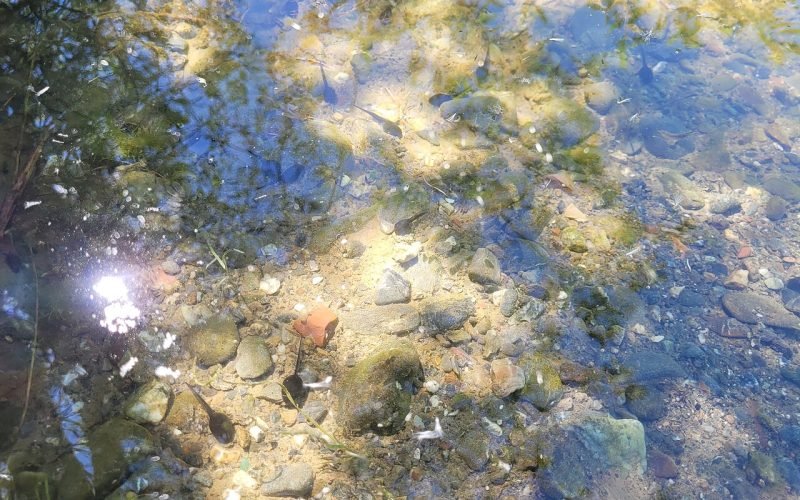
It started at 364 acres and was expanded in 1999 and 2015, and a bridge project was completed in 2019. The land is home to the CA red-legged frog and other wildlife. Watch the water and the grass edges if you want to spot them.
There are several ways in. The main entrance is on Wetmore Road. There are also entrances on Arroyo Road, including the Ranger Station Picnic Area at 5035 Arroyo Rd, which is the better choice if you want shade and a table.
The park is open seven days a week from 7:00 a.m. to sunset. There is a $5 daily parking fee in the lots, so bring a card or cash. Plan one to two hours. Mornings are best in summer, since the valley gets hot by midday.
The flat paths near the main entrance suit families with strollers, while the longer trails suit runners and cyclists. Sycamore Grove pairs well with Ravenswood, which sits on the same road. Visit the park in the morning and the house on a tour Sunday afternoon.
Address: 1051 Wetmore Rd, Livermore, CA 94550
6. Del Valle Regional Park

Del Valle is the biggest outdoor draw in the Livermore area. It sits in a valley of oak-covered hills about 10 miles south of Livermore, around a lake five miles long. Give it most of a day. The lake is the center of everything.
People come to swim, windsurf and boat, and 4,395 acres of land around the water serve hiking, horseback riding and nature study. Check water conditions before swimming, since a caution advisory for blue-green algae was posted.
Serious hikers should know about the Ohlone Wilderness Trail. Del Valle is its eastern gateway, and the trail runs 28 miles of back-country route. Even a short section gives you a taste of the empty hills south of the Tri-Valley.
The visitor center on the west side of the lake has natural history exhibits and runs naturalist programs. It is open from September to May on Fridays, Saturdays, Sundays and most holidays, from 10am to 4pm. Fees are simple.
Parking is $5 per vehicle on most days. From April through Labor Day, a flat $10 entry fee applies on weekends and holidays. Gate hours in November and December are 7am to 6pm, and they run longer in summer.
Arrive early on hot weekends, when the lake fills up. Bring food and water, since the park is a drive from town. Pair it with Murrieta’s Well on the way back if you want a tasting after a day outdoors.
Address: 7000 Del Valle Road, Livermore, CA 94550
7. Brushy Peak Regional Preserve

North of town, Brushy Peak covers 1,979 acres of grassland hills. It is the place to go in spring, when wildflowers such as California buttercup, lupine and blue-eyed grass color the slopes.
The trails are open for hiking, biking and horseback riding, and dogs on leash are welcome. Dogs must stay on-leash at all times, since cattle and wildlife share the land. The peak itself takes planning.
Access to the top of Brushy Peak and the northern part of the preserve is by LARPD guided tour only. If you want the summit, book a tour with the park district. If not, the open trails still give wide views over the valley.
There is no parking fee, which makes Brushy Peak one of the cheaper outings in the area. There is also no drinking water, so bring your own. The hills have little shade, and a summer walk without water is a bad idea. Hours change through the year.
From November 6 to December 31, the preserve opens from 8am to 5pm. From April 18 to September 5, it stays open from 8am to 8pm, which gives you long evening walks. Check the current hours before you go.
Parking and restrooms at the Laughlin Ranch Staging Area are wheelchair accessible. Plan one to two hours. Go in the morning or late afternoon in summer, and wear a hat.
Address: North end of Laughlin Road, Livermore, CA
8. Discovery Center at Lawrence Livermore National Laboratory
The laboratory is the reason many people know Livermore’s name, and the Discovery Center is the public’s way in. Lawrence Livermore National Laboratory was established in 1952. In 2012, element 116 was named livermorium after it.
The center presents a detailed history of the laboratory. It covers its major achievements and their impact, so you leave with a clear sense of what the lab has done and why it matters to the town. It is not only for adults.
The Discovery Center has hands-on exhibits for younger visitors, which makes it a good stop for families with school-age children who like science. This is a working national laboratory, so the visit has rules that a normal museum does not.
Check the center’s website for days, hours and what to bring before you go. Do not just turn up and expect to walk in. Plan an hour or a little more. It suits curious adults, science students and kids who like to push buttons and try things.
Visitors who are not interested in science or history may find it short. The center sits on Greenville Road on the east side of town. It pairs well with the Centennial Light, another piece of Livermore’s science history, though the two are on different sides of the city.
Address: 2500 Greenville Rd, Livermore, CA 94550
9. Bankhead Theater
The Bankhead Theater is the performing arts venue of Livermore Valley Arts, and it anchors downtown Livermore. If you want a night out in town, check its calendar first.
The theater fills the block between First Street, Railroad Avenue and North Livermore Avenue. That puts it in the middle of downtown, close to restaurants for dinner before a show. Getting there is easy. Parking around the theater downtown is free.
A drop-off and pick-up area is on Railroad Avenue, before the parking garage entrance, which helps if you are bringing someone with limited mobility. You can also skip the car.
Take BART to Dublin/Pleasanton and transfer to the Wheels bus, which stops within a block of the theater. That is a good option for visitors staying elsewhere in the Bay Area who would rather not drive home after a show. The theater takes access seriously.
Assistive listening devices are free from the House Manager’s Office, and wheelchair accessible seats can be bought online. Plan a full evening.
Buy tickets ahead, especially for weekend shows, and call the ticket office at 925.373.6800 with questions. The Carnegie Library Building is a short walk away, so you can pair a show with an afternoon at the history museum. Arrive early enough to find parking and eat nearby before the curtain.
Address: 2400 First Street, Downtown Livermore
10. Carnegie Library Building
Livermore’s old Carnegie library now holds the city’s history. The building houses the Livermore Heritage Guild’s archives and its History Center Museum, and the guild has shared it with the Livermore Art Association Gallery since 1974.
The building has its own story. The city built it with a $10,000 grant from Andrew Carnegie, and it opened in May 1911. It served as the city library until 1966.
The museum inside is the best place in town to learn how Livermore grew from a railroad stop into the city it is now. The lawn has a local reputation.
Rolling down the sloped lawns has been a rite of passage for Livermore children, so do not be surprised to see families doing just that. It is a good way to let kids burn off energy after a museum stop. Check the hours, since they are limited.
The building opens Thursday, Friday and Saturday from 11:30am to 4pm, and on the first two Sundays from 10am to 2pm. A docent can help if you want access to the archives for research. Plan about an hour.
The Carnegie sits downtown, a short walk from the Bankhead Theater, so it pairs naturally with a show or a meal. It also makes a good first stop for anyone planning to visit the Duarte Garage or Hagemann Ranch, since the same guild runs all three.
Address: 2155 Third Street, Livermore, CA
11. Centennial Light

This is Livermore’s oddest attraction, and it takes only a few minutes. The Centennial Light is a lightbulb that was installed in 1901 and has stayed lit nearly continuously for more than a century.
Guinness World Records recognizes it as the world’s longest-burning lightbulb. That is the whole reason to go, and it is enough. People come from far away to stand and look at a dim bulb hanging from a ceiling, and most leave pleased that they did.
The bulb has moved around. It began as a nightlight for the volunteer firefighters known as the Livermore Fire Boys. It moved between firehouses over the years before reaching Fire Station 6 in 1976, where it hangs today. Timing matters.
The bulb hangs in a working fire station, and the recommended viewing times are 10:00 a.m. to 11:30 a.m. and 3:00 p.m. to 5:00 p.m. Go in those windows, and be ready to leave if the crew is called out. Keep the visit short and respectful.
This is a fire station first, not a museum. A few photos and a quick look are all you need. The Centennial Light works best as a short stop on the way to somewhere else. Pair it with the Discovery Center for a science theme, or with a downtown visit.
It is a good stop with kids, since a 100-year-old lightbulb is easy to explain and hard to forget.
Address: Fire Station #6 4550 East Ave. Livermore, CA
12. Duarte Garage Museum
The Duarte Garage is a piece of road history in the middle of Livermore. Frank H. Duarte built the north half of the garage in 1915, facing the old Lincoln Highway, the first transcontinental U.S. highway. The business changed with the times.
In 1923, Duarte added the south half as a car dealership. Later the building became a machine shop.
The Livermore Heritage Guild signed a lease in 1976 to restore the garage, and it has run the building as the Duarte Garage & Lincoln Highway Museum since then. Inside, you will find vintage fire trucks, a machine shop and interactive displays.
It suits car fans, history readers and kids who like big red trucks. The schedule is the catch. The museum opens on third Sundays, from 10am to 2pm, except in December.
The open houses have free admission, so it costs nothing to visit if your dates line up. Practical details are simple. Free parking is on Pine Street. The south half is wheelchair accessible, but the restrooms are tiny and not ADA.
The old highway route still runs through town in segments of Portola Avenue, Junction Avenue and First Street. After the museum, drive part of it to get a sense of how travelers crossed the valley a century ago. Plan about an hour inside.
Pair it with the Carnegie Library Building, which the same guild runs, if both are open the same weekend.
Address: Portola Ave & N L St, Livermore, CA 94551
13. Hagemann Ranch

Hagemann Ranch is a small farmstead on the edge of Livermore, preserved by the Livermore Heritage Guild.
It was the Martin Mendenhall ranch in 1869 and became the Hagemann ranch in 1890, and it shows what farm life in the valley looked like before the suburbs. The vehicles are the main attraction.
Visitors see antique tractors, wagons and horse buggies, restored and parked on the grounds where they once worked. There is also a working blacksmith shop, which is worth a slow look. The ranch is shared with partners.
Del Arroyo 4-H keeps horses and chickens there, and Sunflower Hill Gardens runs a vocational garden. Kids enjoy the animals, so this is one of the better small history stops for families. Plan around the schedule.
The ranch is open on the last Sunday of the month, except in December. The November 29 holiday open house runs from 1pm to 5pm, with free admission. The grounds are unpaved, so wear sturdy shoes and expect some difficulty with strollers or wheelchairs.
There is an ADA portable restroom. Park for free on the street or at the Trinity Church lot next to Hagemann Park. The guild has one firm rule: no dogs that bark at animals. Leave a reactive dog at home. Plan about an hour.
Combine it with the Duarte Garage on a month when both Sunday openings work for your trip, or with a downtown meal.
Address: 455 Olivina Avenue, Livermore
14. Shadow Cliffs Regional Recreation Area

Shadow Cliffs is a former gravel quarry that became a park in 1971, about 5 miles west in Pleasanton. Kaiser Industries donated the land, and the old pits now hold water. The 266-acre park has an 80-acre lake at its center.
People come for boating, kayaking, fishing and hiking, and there are picnic grounds and facilities for people with disabilities. Dog walkers use it often. The quiet part is easy to miss.
An arroyo with a chain of smaller lakes and ponds offers shady, still water, where swimming and boating are not allowed. It is the best spot for a calm walk or a bit of birdwatching. Plan for changes.
Swimming will reopen for the swim season in 2027, so do not count on a swim before then. The Lake Trail was closed for terrain damage as of November 15, 2026, and a blue-green algae caution was posted.
Check the park district’s site for current conditions. Fees are modest. Parking is $5 per vehicle, and a district fishing permit is $5 a day. Hours run 7am to 5pm from November to February and 6am to 9pm from May to Labor Day. Plan one to two hours.
Shadow Cliffs is the closest lake to Livermore and the easiest to reach, right off Stanley Boulevard. Pair it with Museum on Main in downtown Pleasanton for a half day that mixes outdoors and history.
Address: 2500 Stanley Boulevard Pleasanton, CA 94566
15. Museum on Main

The history of the Tri-Valley is preserved and shared at Museum on Main, about 8 miles west in Pleasanton. It sits in historic downtown Pleasanton and is an easy free history stop. Admission is free, and donations are welcome.
That makes it easy to drop in for half an hour while you walk Main Street. The galleries cover both local history and changing shows.
The Jean Jones Memorial Gallery holds the exhibit Growing Pleasanton: A History of Pleasanton, which traces how the town developed. The Phoebe Hearst Memorial Gallery hosts other exhibits.
Together they give a clear picture of the valley that Livermore and Pleasanton share. The museum also runs public programs in the arts and humanities.
The Ed Kinney Speakers Series brings in talks on local subjects, and free walking tours take you through downtown with a guide. If you can, time your visit for a walking tour. It adds far more than the galleries alone. Check the hours.
The museum is open Tuesday to Saturday, from 10:00 a.m. to 4:00 p.m. It is closed on Sunday, Monday and major holidays, which catches out weekend visitors who come on a Sunday. Plan about an hour.
Museum on Main pairs well with Shadow Cliffs, which sits on the way back to Livermore, and with lunch on Main Street. Park downtown and walk, since the museum is right in the shopping district.
Address: 603 Main Street Pleasanton, California 94566
16. Pleasanton Ridge Regional Park

Pleasanton Ridge rises above Pleasanton on the way to Sunol, about 12 miles west of Livermore. Its trails climb the ridge, and the views over the valley are the reward. The park is still growing.
It is planned as the core of a future Ridgelands Regional Park to be acquired over many years. The Tyler Ranch Staging Area opened access to the Tyler Ranch Trail, the Sunol Ridge Trail and the Robertson property.
That addition alone brought 2,844 acres and about 18 miles of trails. This is a park for hikers who want some effort. The trails climb, and the open ridge gets hot in summer. Go early in the day, bring plenty of water and wear a hat.
Getting there is straightforward. From I-680, exit at Castlewood Drive and go west. Turn left on Foothill Road toward Sunol. The Foothill Staging Area is about two miles along, on the right.
Plan two to four hours if you want a real hike, or less for a short climb and back. The ridge is a good choice in spring, when the hills are green, and on clear winter days when the views reach farthest.
Pleasanton Ridge pairs with Sunol Wilderness, which sits farther along the same direction. A full outdoor day could start on the ridge and end at Sunol. Check the park district’s site for trail conditions and closures before you set out.
Address: Foothill Staging Area, on Foothill Road about two miles from Castlewood Drive, on the right
17. Dublin Heritage Park & Museums
Some of the oldest buildings in the Tri-Valley stand in Heritage Park, about 11 miles west in Dublin. The best known is Old St. Raymond’s Church, the oldest standing Catholic church in Alameda and Contra Costa counties.
The church was built in 1859 and dedicated in 1860, in the Greek Revival style. It has a sad story. Pioneer Tom Donlon fell to his death on September 6, 1859, while the church was being built.
The first wedding was held in 1865, between Ellen Fallon and William Tehan. Old St. Raymond’s was placed on the National Register of Historic Places on April 12, 2006. The museums keep set open days rather than daily hours.
Check the City of Dublin’s heritage park page before you go, so you do not arrive to find the buildings closed. Plan about an hour. Heritage Park suits history readers and families who like old buildings more than big exhibits.
The grounds are easy to walk, which makes it a gentle stop with older relatives. Dublin sits next to Pleasanton, so this pairs well with Museum on Main for a history-themed half day.
Do the two museums in the morning, then return toward Livermore by way of Shadow Cliffs. That loop keeps the driving short and avoids backtracking through the valley.
Address: 6600 Donlon Way, Dublin, CA 94568
18. Sunol Wilderness Regional Preserve
The wildest park within easy reach of Livermore is about 15 miles southwest in Sunol. Sunol Wilderness covers 6,859 acres, and cattle still graze there under the Park District’s land policy.
For the past century, the land was used almost entirely as ranch land. That history shows. The hills are open, the roads are few, and the park feels far from the suburbs around it.
Visitors come for camping, picnicking, hiking and backpacking, and thousands come each year. Naturalists lead nature hikes, which are the best way to learn the plants and animals of these hills. Check the schedule if you want to join one.
The Old Green Barn is an easy first stop. You reach it by the first left after the park entrance. The visitor center is open on Fridays from 9am to 1pm and on Saturday, Sunday and most holidays from 8:30am to 4pm. Come prepared.
There is no drinking water in the park, so bring your own. No open fires or barbecues of any type are allowed, so pack a cold lunch. Plan at least half a day if you want to hike.
The trails are steep in places and exposed, so spring and fall are the best seasons. Summer afternoons are hot. Pair Sunol with Pleasanton Ridge on the same side of the valley, or with Del Valle if you want to link it to the Ohlone Wilderness Trail.
Address: 1895 Geary Road Sunol, CA
19. Carnegie State Vehicular Recreation Area

Drive about 14 miles southeast into Corral Hollow and the Tri-Valley suburbs give way to dirt bike country. Carnegie spreads across hills where eastern Alameda County meets western San Joaquin County.
California State Parks runs eight state vehicular recreation areas, and this is one of them. Off-highway riders get more than 1,300 acres to work with.
Terrain ranges from dry, rocky washes to rolling slopes and steep canyons, so novices and experienced riders can both find a line. Without a bike or quad, though, there is little reason to come. Two stops break up a riding day.
Ruins of the old Carnegie Brick and Pottery Company still stand in the park. The Moto Mart stocks snacks, drinks, gear and bike parts if something breaks. Overnight stays use 23 campsites, and nobody takes reservations: arrive early to claim one.
Each site area has a ramada and fire ring, with restrooms and water faucets nearby. Showers run on coins and only accept quarters. RV owners should know there is neither a dump station nor a place to fill water, so top up tanks at home.
Pets may come along. Opening times for day use shift with the season, so confirm on the state parks site first. Count on at least half a day. Pack food and water, because town is a long way back.
Address: Corral Hollow Rd., Livermore, CA 94550
20. Bethany Reservoir State Recreation Area
Bethany Reservoir sits on the California Aqueduct near the Altamont Pass, about 17 miles northeast near Byron. The 608-acre lake lies between wind farms and almond orchards, and the turbines on the hills are part of the scenery.
The wind is the reason to come for some visitors. The Altamont Pass funnels steady westerly winds across the water, which makes the lake a windsurfing and small-sailboat spot. Anglers come for the fish.
Striped bass are pumped in from the Delta, and the lake also holds largemouth and smallmouth bass, catfish, crappie, bluegill and stocked trout. A California fishing license is required. Wheelchair-accessible fishing platforms sit near the boat ramp.
Boating is low key. Boats have a 5 mph speed limit, and small boats, kayaks and canoes are allowed. That keeps the water calm for paddlers. The paved California Aqueduct Bikeway runs along the reservoir and the aqueduct.
It is a good, flat ride or walk with long views over the open country. The park is day use only. Shaded picnic ramadas sit near the boat ramp and the park entrance, which matters on hot days. Plan two to three hours.
Bring wind layers, since the breeze that windsurfers love can make a picnic chilly. Pair it with Los Vaqueros, which also has a Byron address, for a day of lakes.
Address: 13638 Christensen Rd, Byron, CA 94514
21. Los Vaqueros Marina
For a day on the water, head about 17 miles north toward Byron, where the marina sits on the south side of Los Vaqueros Reservoir. Its entrance is off Vasco Road, about 4.5 miles north of Livermore.
Follow the water district’s own map for this side, since it warns that Google Maps GPS gets the route wrong. The lake is a drinking water supply. Contra Costa Water District holds up to 160,000 acre-feet here for its customers.
Because of that, swimming, pets, alcohol and private boats are all banned. If you want to be out on the reservoir, plan on renting. Visitors can still fish, hike, picnic and boat, and the area is open as day use all year.
Shore fishing and the marina are at this South Entrance. The dam and the Interpretive Center are on the far side, at the North Entrance near Brentwood. Pick one side for the day. The gates open every day. In November that means 7:00 am to 5:00 pm.
Summer stretches it to 6:00 am to 8:00 pm. Fog, storms or strong wind can shut the dock, the fishing pier and the rentals. On a doubtful day, ring the Marina at 925-371-2628 before you leave. Two to four hours is a good visit.
Address: Los Vaqueros Marina, 9990 Los Vaqueros Road, Byron, CA 94514
22. Tracy Historical Museum
The Tracy Historical Museum fills the old depression-era post office, about 20 miles east in Tracy. The building at 1141 Adam Street is a historic 1937 post office owned by the city.
The museum is operated by the West Side Pioneer Association in partnership with the City of Tracy. It first opened in May 1993 in the old Boy Scout Hut on Bessie Avenue, and it moved to the post office building in March 2003. Look for the painting.
A 1930s Depression-era WPA painting from the old post office hangs in the museum, and it is the piece most visitors remember. It connects the building to the federal art projects of that era.
Admission is free, children are welcome and donations are appreciated. That makes it an easy stop on a trip east. The hours are short. The museum is open Monday from 10 am to 2 pm and Saturday from 10 am to 2 pm, or by appointment.
Special group tours can be arranged by appointment, and genealogy hours are by appointment only, which helps anyone researching family roots in the area. The cross street is 12th Street, near the Tracy Inn. Plan about an hour.
Pair it with the Grand Theatre Center for the Arts, a short drive away in downtown Tracy, for a half day of local history and art. A Saturday visit lets you see both, since the theater’s galleries are also downtown.
Address: 1141 Adam Street, Tracy, CA 95376
23. Grand Theatre Center for the Arts
In Tracy, about 20 miles east, the Grand Theatre is the centerpiece of downtown. It opened on August 11, 1923, as a vaudeville house, designed by the architect Albert W. Cornelius. The look you see today comes from a later remodel.
Between 1939 and 1941, the building gained art deco features, including a sculptural marquee by Alexander Cantin and a mural by Anthony Heinsbergen. Even if you are not seeing a show, stop to look at the marquee from the street.
The building is now a full arts center. The 37,000+ square foot complex opened in September 2007 and hosts over 50,000 patrons a year. The City of Tracy owns and runs it, and it offers arts education, exhibitions, performances and rentals in one place.
Galleries fill the neighboring historic buildings. Parking is free on nearby streets and in public lots at 6th Street and Central Avenue. Patron drop-off and pick-up is at the loading zone on Central Avenue.
Facility hours start Monday through Thursday at 10:00 AM. Call the box office at 209.831.6TKT (6858) for show tickets. Plan an evening for a show, or an hour for the galleries.
The Grand pairs well with the Tracy Historical Museum, which is close by downtown. A good plan is to visit the museum on a Saturday morning, then see the galleries and stay for an evening performance. Check the calendar on the center’s site first.
Address: 715 Central Avenue, Tracy, CA 95376
24. Las Trampas Wilderness Regional Preserve
Las Trampas is a quiet wilderness park in the hills west of the I-680 corridor, about 20 miles northwest in San Ramon. It suits walkers who want wildlife and open country more than a busy trailhead. The animals are a big part of the appeal.
Raccoons, foxes, opossums, bobcats, skunks and squirrels live in the park. It is also a good place for birdwatching, so bring binoculars. Cattle graze some of the grassland.
That keeps the grass down and lessens fire risk in the dry season, so expect to share some trails with cows. Close any gates you pass through. The Bollinger staging area is the main entry.
It has disabled parking, an accessible chemical toilet, a drinking fountain and a picnic site. That makes it a decent base even if you only plan a short walk. Gate hours change through the year.
They run from 8am to 5:30pm in late fall and winter and from 8am to 8pm in summer. Bring water. The park’s water supply is inconsistent, so carry plenty for yourself and for any dogs or horses. The hills get hot, and shade is patchy.
Plan two to four hours for a real hike. Las Trampas also links by trail to the grounds of the Eugene O’Neill National Historic Site, which makes a fit hiker’s day possible. Pair it with the Blackhawk Museum in Danville if you want something indoors afterward.
Address: 18012 Bollinger Canyon Road, San Ramon, CA 94583
25. Blackhawk Museum

Car fans know the Blackhawk Museum for its collection of classic, rare and one-of-a-kind automobiles, about 19 miles northwest in Danville. Car fans should put it near the top of their list. The cars are only part of it.
The galleries include the Classic Car Collection, The Spirit of the Old West, Into China, Art of Africa and World of Nature. That range gives the museum wider appeal than its reputation suggests, and it means a mixed group can split up and meet later.
The museum first opened in August 1988, and it is a Smithsonian affiliate. That status sets it apart from a private car showroom. It sits inside the Blackhawk Plaza shopping center, but it is not affiliated with the mall. Do not let the setting put you off.
Once you are inside, it feels like a serious museum. Guided tours are offered, and they are worth booking if you want the stories behind the cars. Check the museum’s site for hours and admission before you go, since both can change.
Plan two to three hours to see the main galleries well. The Blackhawk Museum is a good choice for a rainy day, and it pairs well with the Eugene O’Neill National Historic Site, also in Danville.
Visit Tao House on a morning tour, then spend the afternoon with the cars. Eat at the plaza to save time.
Address: 3700 Blackhawk Plaza Circle, Danville, CA 94506
26. Eugene O’Neill National Historic Site
Tao House, the hillside home Eugene O’Neill built with his 1936 Nobel Prize money, is preserved by this National Park Service site about 20 miles northwest in Danville. O’Neill and his wife lived there from 1937 to 1944. You cannot drive up to the house.
It sits inside a private gated community, so visitors reach it by a free National Park Service shuttle from downtown Danville. The shuttle stop on Railroad Avenue is the address to use. Admission is free.
The NPS calls it a free site, and tours include the shuttle ride. That makes it one of the best-value stops in this guide. Plan around the tour times. Reservations are required for guided tours, which run Wednesday to Friday at 10 AM and 2 PM.
On Saturday, self-guided tours run without reservations at 10:15 AM, 12:15 PM and 2:15 PM. The park is closed Monday and Tuesday. The 13-acre grounds can also be reached on hiking and mountain biking trails from Las Trampas.
That route suits fit visitors who want to arrive on foot. Most people take the shuttle. Plan two to three hours with the shuttle and tour. This stop suits theater lovers and anyone curious about how a famous writer lived and worked.
Pair it with the Blackhawk Museum, also in Danville. Book a guided tour if you can, since the guides bring the house and its history to life in a way a quick walk cannot.
Address: Park shuttle stop: 205 Railroad Ave, Danville, California
27. Lake Chabot Regional Park

About 20 miles west in Castro Valley, Lake Chabot surrounds a reservoir built in 1874-75 as a main water source for the East Bay. The lake has a long history, but it has been a public park for a much shorter time.
The 315-acre lake was closed to recreation for 91 years. The park finally opened on June 18, 1966. Getting on the water is the main activity. Lake tours cost $10 per hour per adult and $6 per hour for youth 12 and under.
Guided kayak tours are $45 per 2.5 hours per adult. The kayak tours are the better choice for active visitors. The lake tours suit families with small children. Fishing is popular. There are several fishing piers, and one has access for the disabled.
A wheelchair ramp leads to the marina. Daily fishing access is $5 per day. The park keeps long hours. It is open from 5am to 10pm unless otherwise posted, which gives you early and late options in summer. Plan two to four hours.
Lake Chabot is the oldest reservoir in this guide, and its piers and marina make it easy for families. Pair it with Garin and Dry Creek in Hayward, a short drive south, for a full East Bay day. Check the park district’s site for tour schedules before you go.
Address: 17600 Lake Chabot Rd., Castro Valley, CA 94546
28. Garin/Dry Creek Pioneer Regional Parks
Garin and Dry Creek Pioneer are two adjoining parks on former 19th-century ranches, about 22 miles west in Hayward. Together they cover over 5,800 acres, with more than 35 miles of trails and panoramic views of the Bay Area.
The views are the reason to make the drive. From the ridges, you look out over the bay and the cities around it, which is a very different picture from the inland valley around Livermore.
Start at the Garin Red Barn Visitor Center, which supports interpretive programs. It gives you a sense of the ranching history before you set out on the trails. The parks work for different levels.
Service roads around the meadows and picnic areas are wheelchair accessible, so a short, flat walk is easy. The longer trails climb steeply and suit fit hikers. Dry Creek Garden is a quieter stop within the parks.
It is open Thursday to Saturday, from 10am to 4pm, so time a visit then if you want to see it. Parking is $5 per vehicle when the kiosk is attended, and Garin only accepts cash. Bring small bills.
Dogs must be on a six-foot leash in parking lots, picnic areas, lawns and playfields. Plan two to four hours. Go on a clear day, since the views are the main reward. Pair it with Lake Chabot in Castro Valley for a full day in the East Bay hills.
Address: 1580 Garin Avenue, Hayward, CA 94544
Things to Do in Livermore, CA for Free
Livermore has more free stops than most wine towns. The Duarte Garage Museum has free admission on its third-Sunday open houses, and the Hagemann Ranch open house on November 29 is free too, with tractors, wagons and 4-H animals to see.
The Centennial Light costs nothing to see during the recommended viewing times at Fire Station 6. Brushy Peak Regional Preserve has no parking fee, which makes it the cheapest outdoor day in town. Bring your own water, since there is none on site.
Farther out, Museum on Main in Pleasanton has free admission and runs free walking tours of downtown. The Tracy Historical Museum is free, with a WPA painting from the old post office.
The Eugene O’Neill National Historic Site in Danville is free, and the National Park Service shuttle from downtown is included with the tour. Put those three on a Saturday and you can fill a day without paying for a ticket.
Frequently Asked Questions
What is Livermore, CA best known for?
Livermore is known for Lawrence Livermore National Laboratory, which gave its name to element 116, livermorium, and for the Livermore Valley wineries. Wente Family Vineyards, founded in 1868, and Concannon Vineyard, making wine since 1883, are the oldest names on Tesla Road.
Which Livermore wineries take walk-ins?
Murrieta’s Well welcomes walk-ins Thursday to Sunday from 12pm to 6pm. Concannon Vineyard takes walk-in tastings until one hour before closing. For Wente Family Vineyards, check the winery’s site for current tasting hours and reservations.
What can kids do in Livermore?
The Discovery Center at Lawrence Livermore National Laboratory has hands-on exhibits for younger visitors. Hagemann Ranch has 4-H horses and chickens, and the Duarte Garage Museum has vintage fire trucks. The lawn at the Carnegie Library Building is a local favorite for rolling down the slope.
Where can you swim or boat near Livermore?
Del Valle Regional Park has a five-mile lake used for swimming, windsurfing and boating. Shadow Cliffs in Pleasanton allows boating, with swimming due to reopen in 2027.
Bethany Reservoir allows small boats, and Los Vaqueros rents boats at its marina but bans swimming. Check algae advisories before swimming.
Which Livermore history sites are only open on certain days?
Ravenswood Historic Site opens for tours on the 2nd and 4th Sunday of each month. The Duarte Garage Museum opens on third Sundays, and Hagemann Ranch on the last Sunday of the month, both except December. The Carnegie Library Building opens Thursday to Saturday and the first two Sundays.
Final Thoughts
Split Livermore by side of town. The south side holds Wente, Concannon and Murrieta’s Well, plus Ravenswood, Sycamore Grove and Del Valle, so one day covers wine in the afternoon after a morning walk or a lake visit.
Downtown, the Carnegie Library Building, the Bankhead Theater and the Duarte Garage sit close together, and the Centennial Light and the Discovery Center are a short drive east.
If you can, visit on a Sunday when Ravenswood, the Duarte Garage or Hagemann Ranch is open. For a second day, choose a direction. For meals and a room, see the best restaurants in Livermore, CA and the best hotels in Livermore, CA.
Know a place in Livermore we missed? Suggest a place